
Safety equipment and spill-control solutions coordinated for ISO tank operations, aligned to site requirements, HSE governance and compliance-focused documentation.
ISO Tank Operations
Drip Trays & Safety Solutions
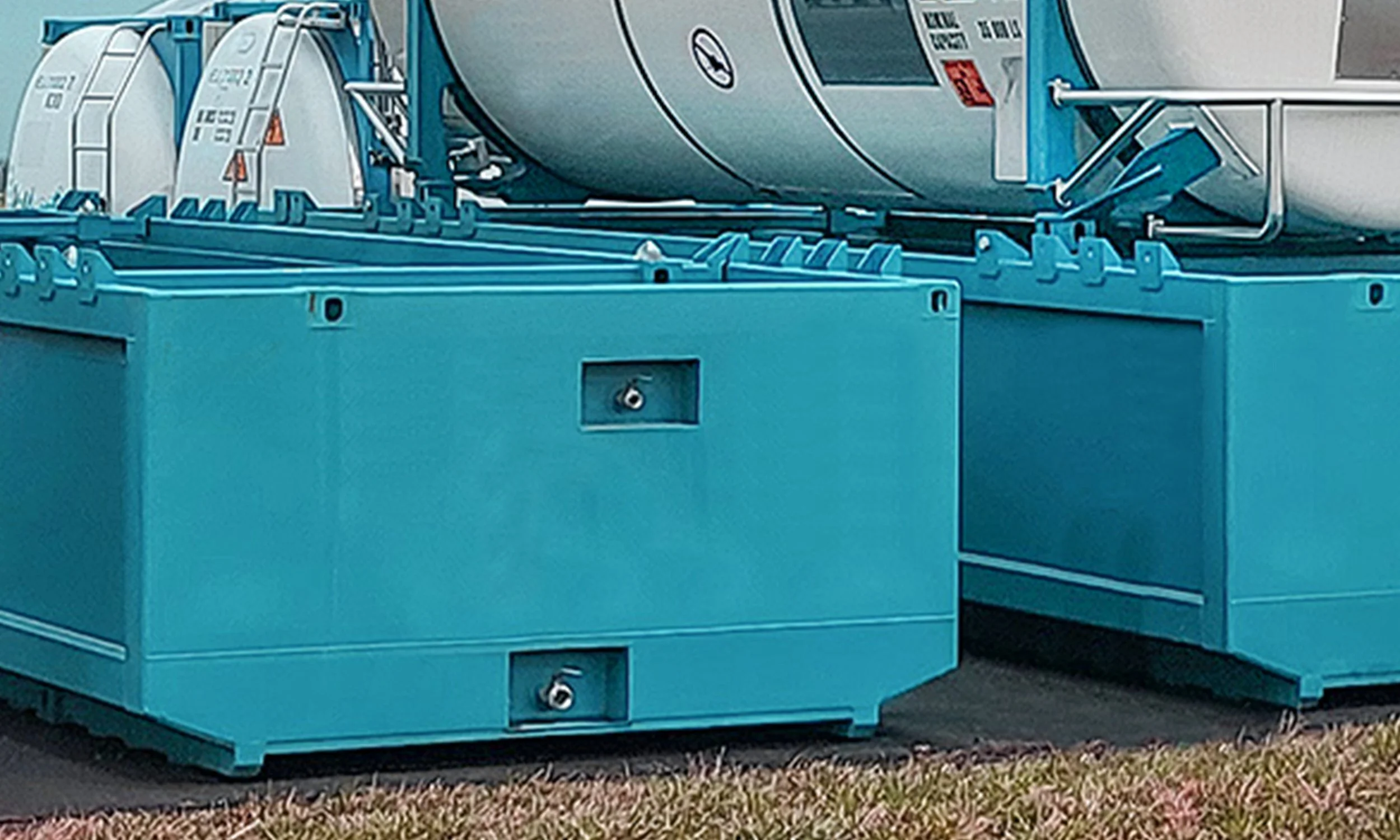
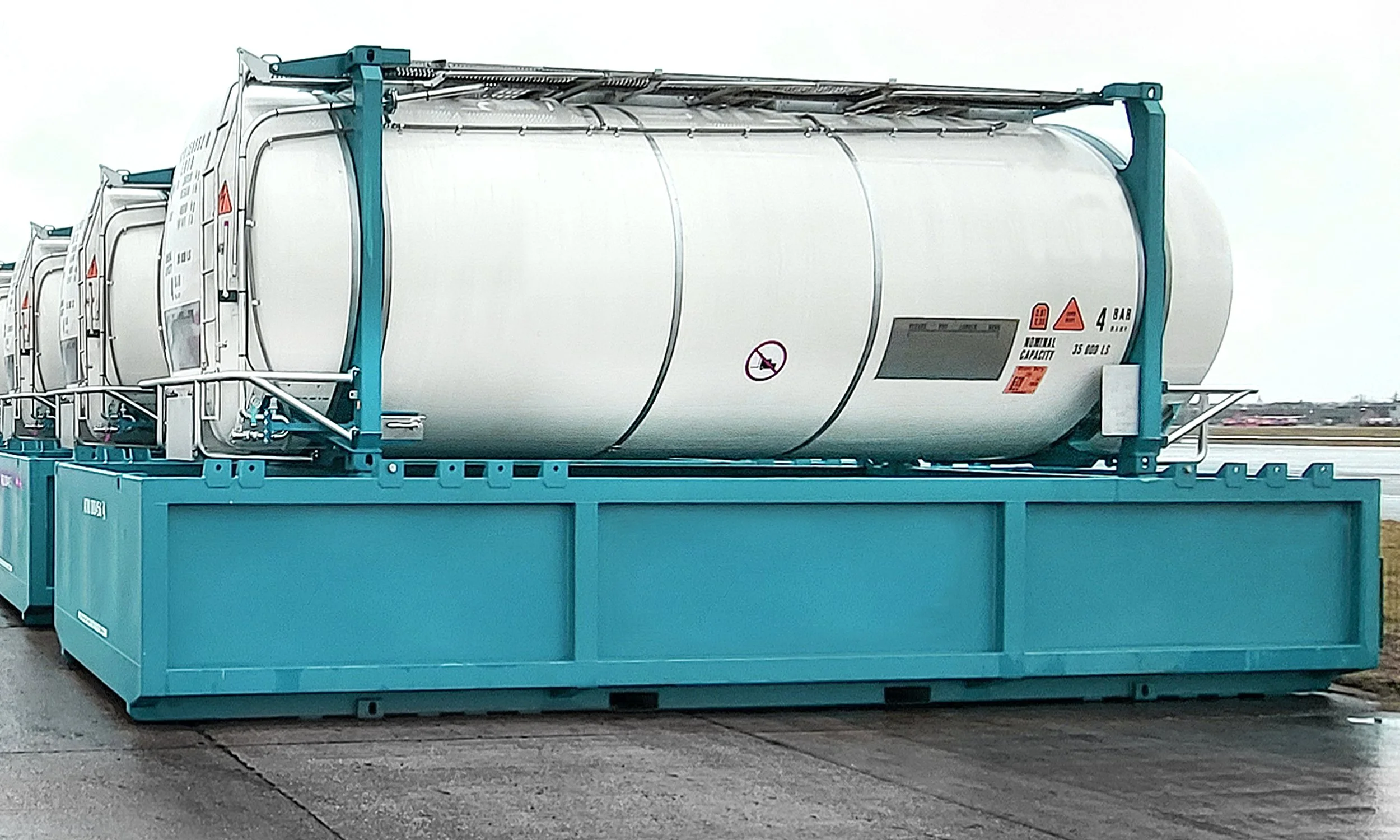
Drip trays and safety solutions for ISO tank containers
In ISO tank operations, safety equipment and spill control are not optional details. They are part of operational readiness and site acceptance. LOGIX supports drip trays and related safety solutions within a defined scope, aligning equipment requirements, handovers and documentation to your HSE standards and stakeholder expectations.
What we deliver
We coordinate the supply and deployment of drip trays and safety-related equipment as part of ISO tank operational scope, aligned to loading and discharge interfaces, terminals and customer site procedures. This includes planning availability, confirming specifications, coordinating delivery and collection, and maintaining traceable records for governance and audit purposes.
Key capabilities
Safety equipment coordination
Coordination of drip tray supply and availability planning
Alignment of specifications to site rules and operational needs
Delivery, positioning and collection interfaces coordinated where in scope
Safety equipment coordination
Coordination of drip tray supply and availability planning
Alignment of specifications to site rules and operational needs
Delivery, positioning and collection interfaces coordinated where in scope
Operating model
Where required, safety solutions are integrated into the operational plan and milestones, with clear ownership and escalation when site requirements change.
Operational handover discipline
Defined handover points and responsibility split
Traceable references and documented execution steps
Exception handling with documented options and operational impact
Integration with ISO tank execution
Aligned with loading and discharge scheduling
Interfaces coordinated with terminals, storage and transport legs where applicable
Planning designed to avoid missed slots and site holds
Visibility and reporting
Milestone updates and exception alerts
Central document access and traceable file history
Reporting on request, aligned to agreed requirements
Scope confirmation
Equipment requirements, locations, responsibilities, milestones, documents and escalation contacts.Planning
Availability confirmation, specification alignment and scheduling aligned to operational milestones.Execution
Delivery, handover and deployment coordinated with traceable documentation and exception handling.Close-out
Collection planning, document completion and file close.
Scope and equipment requirements
We confirm what is required and where it is needed, including interfaces and ownership.
Typical alignment items:
Equipment type and quantity requirements
Lane and site locations (loading, discharge, terminals)
Responsibility split at delivery and collection handovers
Required specifications and site acceptance criteria
Documentation and reporting requirements

Planning and availability control
Operational reliability depends on availability planning and scheduling discipline.
Controls include:
Availability confirmation and allocation planning
Delivery scheduling aligned to loading and discharge windows
Interface planning with terminals and site contacts
Escalation when constraints impact readiness
HSE and compliance documentation
We support documentation discipline aligned to HSE governance requirements.
Focus areas:
Evidence of readiness and handover records where required
Traceable file history and document availability
Documented changes and approvals
Exception capture and escalation aligned to governance

Track & Trace
Trackdog Customer Portal for milestones, exceptions and documents.
Trackdog Customer Portal for milestones, exceptions and documents.
Trackdog supports visibility for safety-related milestones and document access, strengthening traceability across ISO tank operational files.
Learn more:
Request information or a safety scope review
Share your operational scope and site requirements. We will confirm feasibility, setup and documentation needs.
Minimum input:
Sites and locations in scope (loading, discharge, terminals)
Equipment requirements (type, quantity, timing)
Site HSE rules and acceptance requirements
Frequency and duration (one-off or recurring)
Reporting and governance requirements and key contacts