
Warehousing support around bulk liquid logistics flows, with controlled handling, documented processes and clear interfaces to transport and storage operations.
ISO Tank Operations
ISO Tank Leasing
ISO tank leasing
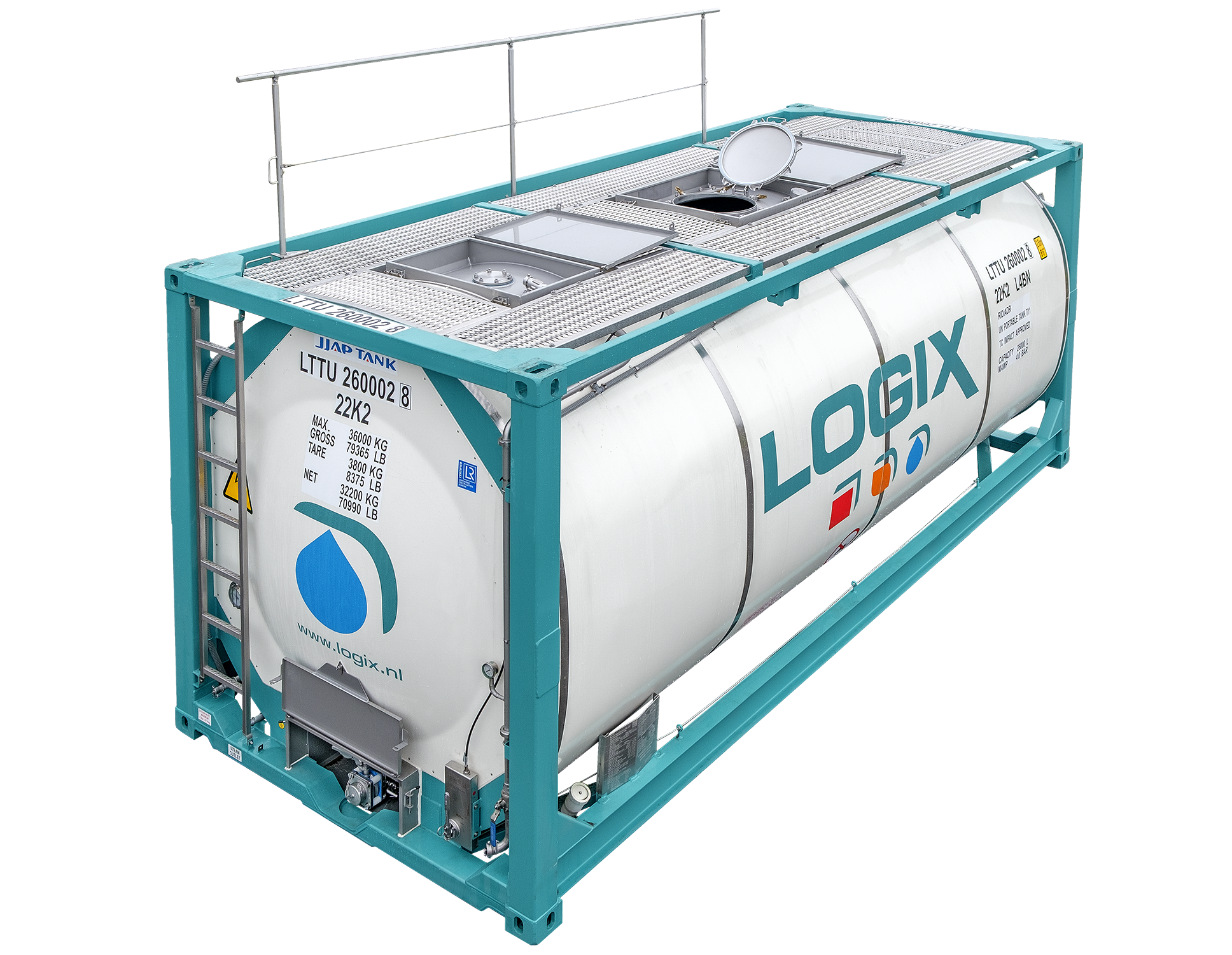
ISO tank leasing is an equipment and control topic as much as a transport topic. Availability, readiness, documentation and handover discipline determine whether a flow runs smoothly. LOGIX supports ISO tank leasing within a defined operational scope, with clear responsibilities and traceable records aligned to enterprise governance.
What we deliver
We support ISO tank leasing by coordinating equipment requirements, availability planning and operational interfaces within your ISO tank operations scope. This includes aligning lease periods and positioning, confirming readiness requirements, and managing handovers with documented responsibilities and references.
Where required, leasing is integrated with transport planning, operational milestones and supporting documentation, so equipment and execution remain aligned across stakeholders.
Key capabilities
Equipment requirement and availability planning
Definition of equipment requirements aligned to product and flow
Availability planning and positioning coordination
Alignment of lead times, allocation and release processes
Lease scope and control
Lease period alignment to operational cycles and turnaround planning
Documented responsibilities for handover points and references
Coordination of extensions, changes and exceptions with traceable approvals
Operating model
Readiness and condition coordination
Readiness requirements aligned to operational and compliance needs
Coordination of inspection or condition checks where applicable
Documented handovers to reduce disputes and rework
Operational interfaces
Integration with transport legs, terminals and storage interfaces where in scope
Appointment and handover coordination aligned to execution milestones
Exception handling with documented options and operational impact
Visibility and reporting
Milestone updates and exception alerts
Central access to operational documentation and traceable file history
Reporting on request, aligned to agreed KPIs and cadence
Scope confirmation
Equipment requirements, locations, responsibilities, lease period, documents and escalation contacts.Planning and allocation
Availability confirmation, positioning plan and readiness requirements aligned to the operational schedule.Execution and handovers
Handover coordination with documented references, ownership and exception handling.Close-out
Return planning, documentation completion and traceable file close.
Lease scope and equipment requirements
We align requirements and lease scope upfront to avoid ambiguity during execution.
Typical alignment items:
Equipment type and quantity requirements
Lane scope and positioning locations
Lease period and turnaround expectations
Responsibilities at handover and return points
Required references and documentation
Availability, positioning and scheduling
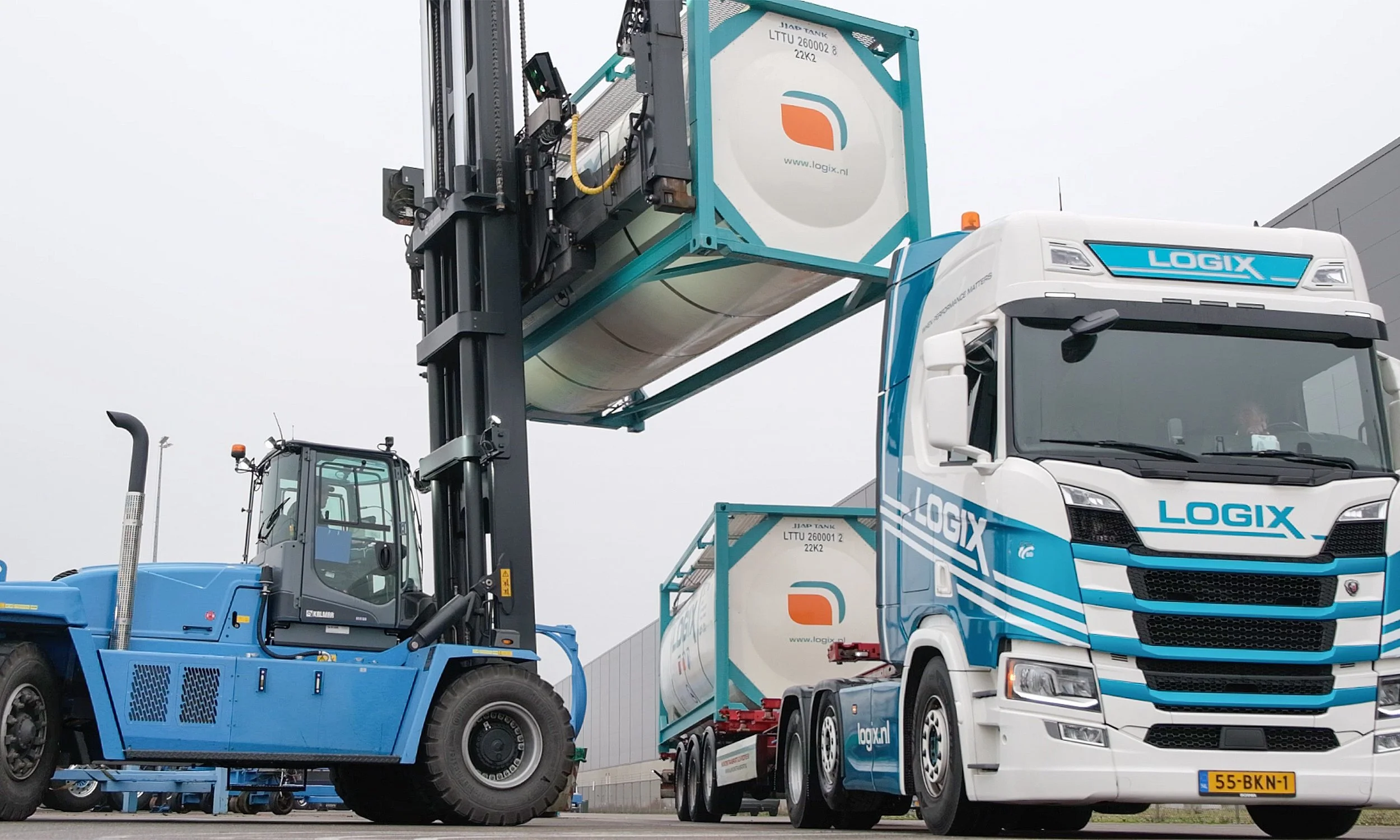
ISO tank leasing performance depends on realistic planning and allocation control.
Controls include:
Availability confirmation and allocation planning
Positioning coordination aligned to milestones
Scheduling alignment with terminals, storage and transport legs
Escalation when constraints impact execution
Readiness, condition and handover discipline
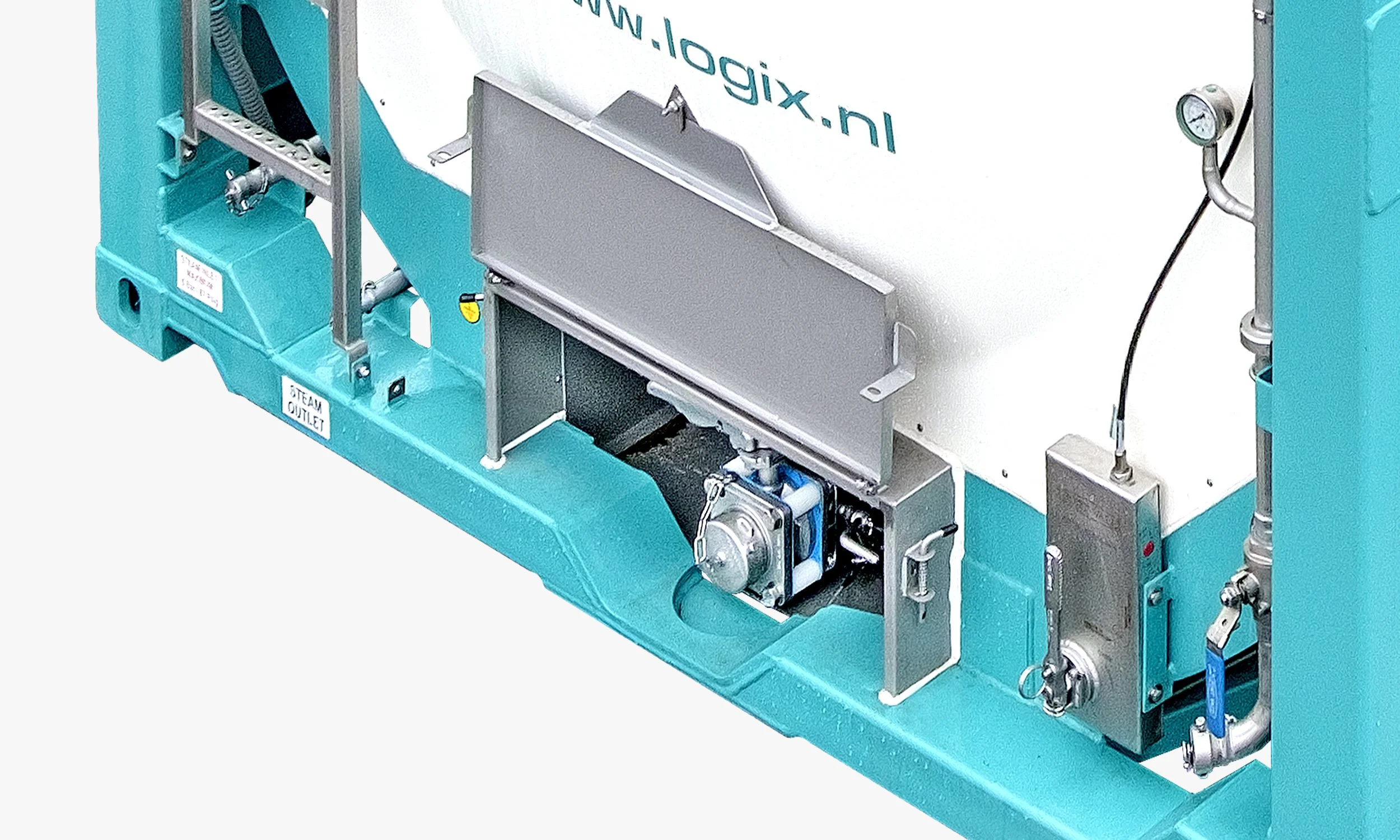
We support readiness and handover discipline to reduce operational risk and rework.
Focus areas:
Readiness requirements and any approvals needed
Condition, inspection and documentation steps where applicable
Traceable handover records and responsibility split
Exception capture and escalation

Track & Trace
Trackdog Customer Portal for milestones, exceptions and documents.
Trackdog Customer Portal for milestones, exceptions and documents.
Trackdog provides visibility across equipment-related milestones and documents, supporting traceable handovers and structured exception handling.
Learn more:
Request availability or a leasing review
Share your lane and equipment requirements. We will confirm feasibility, operational setup and documentation needs.
Minimum input:
Equipment requirement (type, quantity) and required start date
Lane scope and positioning locations
Product profile and operational constraints
Expected cycle time, duration and frequency
Reporting or governance requirements and key stakeholders