
Storage and handling interfaces for ISO tank operations, coordinated with controlled execution, documented handovers and compliance-focused governance.
ISO Tank Operations
Storage & Handling
Storage & Handling for ISO tank containers
Storage and handling are key control points in ISO tank operations. Site rules, HSE requirements and documentation discipline determine whether a flow runs predictably. LOGIX coordinates storage and handling interfaces within a defined scope, with clear ownership, traceable records and structured exception handling.
What we deliver
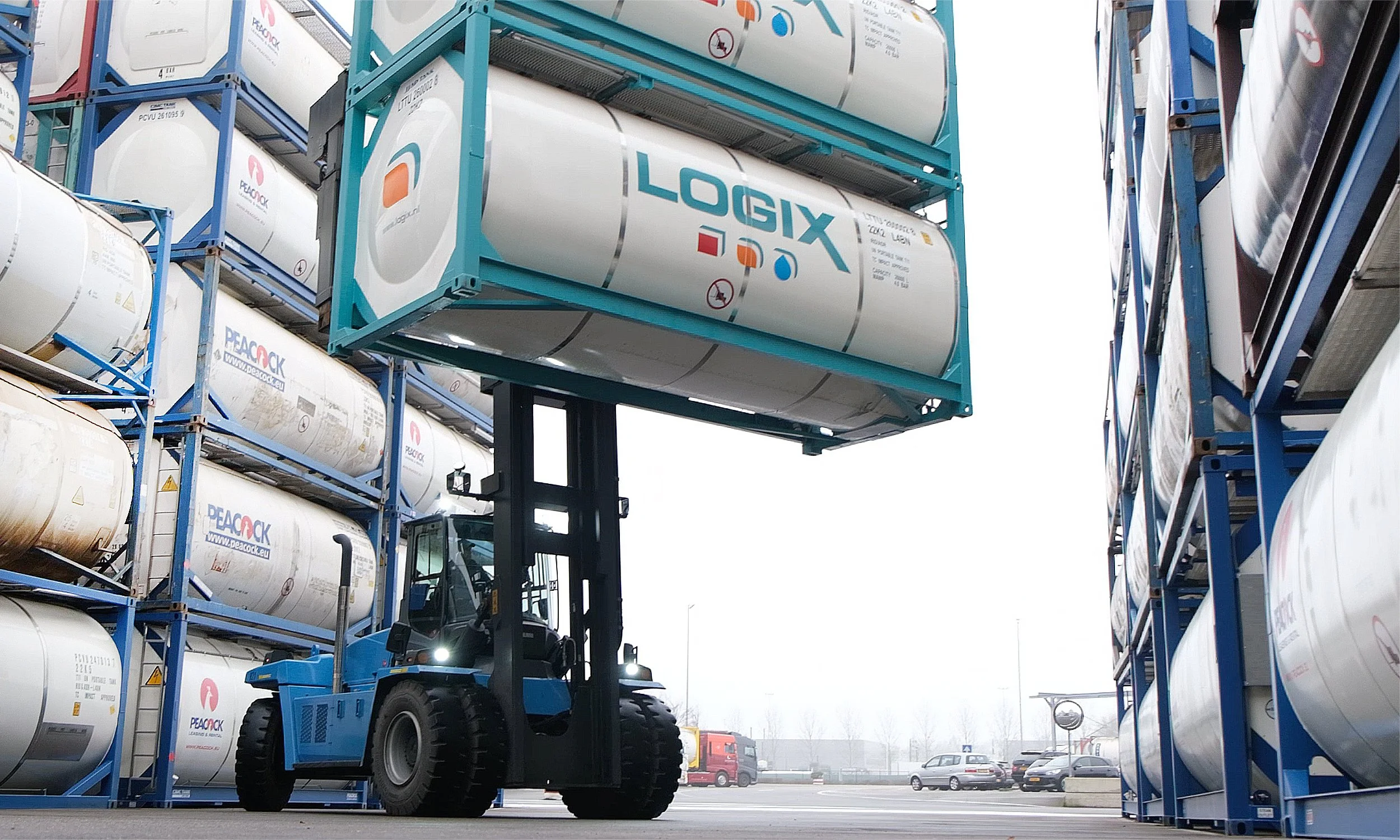
We coordinate ISO tank storage and handling interfaces through selected terminals and service providers where in scope. This includes planning of inbound and outbound handovers, scheduling of handling activities, documentation readiness and reference management, and operational escalation when plans or requirements change.
Key capabilities
Terminal and depot interface coordination
Coordination with terminals, depots and service providers where in scope
Alignment of operating rules, handovers and document requirements
Planning of receipts, releases and outbound readiness
Handling and scheduling control
Appointment planning aligned to loading and discharge windows
Coordination of handling steps and operational handovers
Readiness checks before key interfaces to reduce holds and rework
Operating model
Where required, storage interfaces are integrated with transport legs, equipment availability and supporting topics such as cargo insurance and compliance documentation.
Compliance and HSE alignment
Alignment with site procedures and applicable HSE requirements
Traceable documentation and approval records where required
Escalation when additional compliance requirements apply
Documentation and traceability
Consistent reference management across orders, releases and movements
Central document access with traceable file history
Documented changes and exception capture aligned to governance
Visibility and reporting
Milestone updates and exception alerts
Central access to documents and traceable file history
Reporting on request, aligned to agreed KPIs and cadence
Scope confirmation
Locations, responsibilities, operating rules, milestones, documents and escalation contacts.Planning
Interface planning for receipts, releases and appointments, aligned to inbound and outbound legs.Execution
Handling steps coordinated with documented handovers and structured exception handling.Close-out
Document completion, reference reconciliation and file close.
Service scope
We coordinate storage and handling within a defined operational scope and agreed governance.
Common scope items:
Terminal and depot locations
Inbound and outbound interfaces
Receipt and release ownership and approvals
Handling activities in scope
Reporting expectations and escalation thresholds
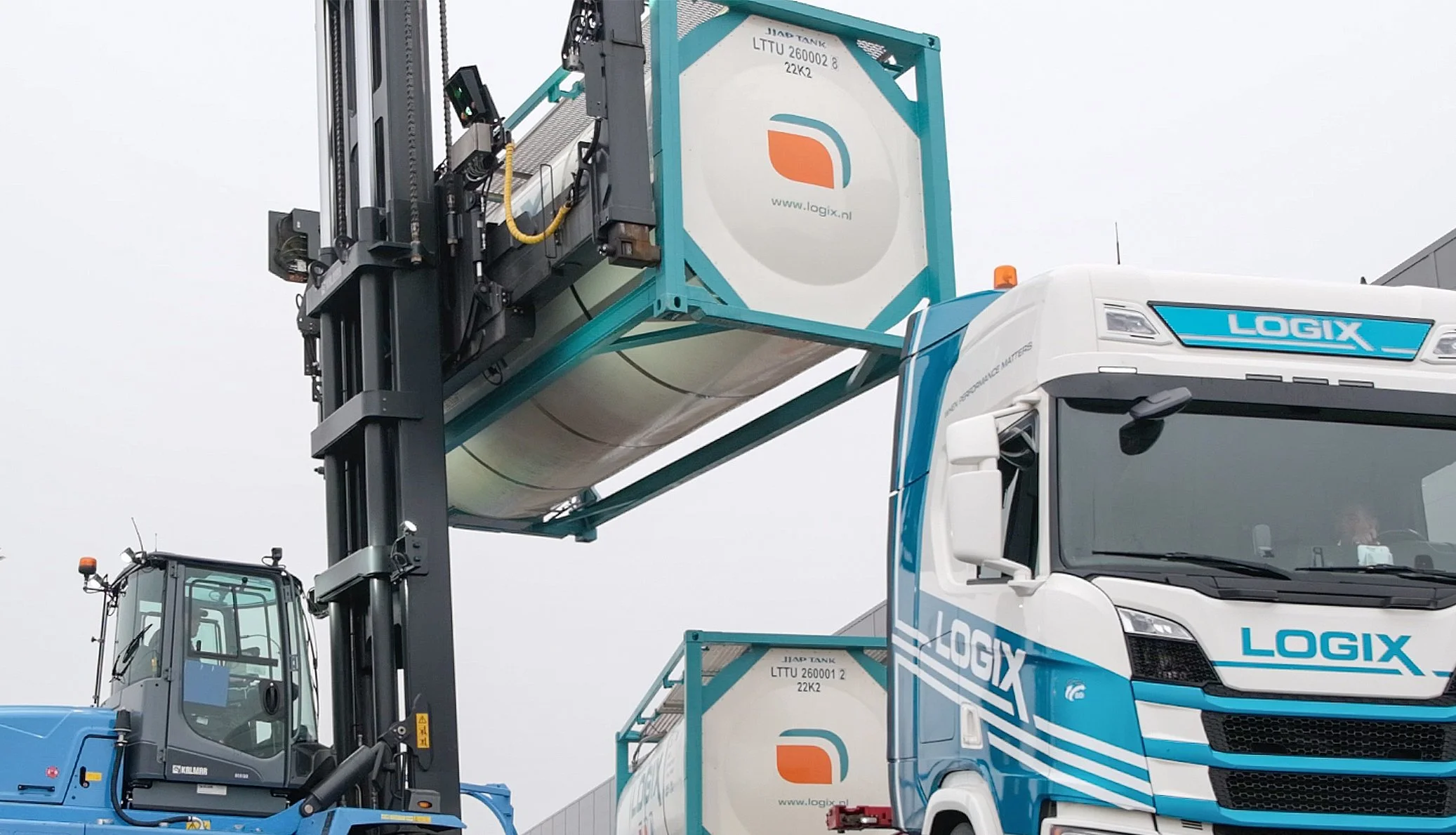

Receipts, releases and interfaces
We align interface processes to reduce delay, rework and unplanned holds.
Typical alignment items:
Receipt and release procedures
Appointment rules and site constraints
Reference and document requirements
Handover control between stakeholders
Compliance and HSE governance
ISO tank operations require documented compliance and disciplined execution.
Focus areas:
Site HSE procedures and acceptance rules
Documentation readiness before handling steps
Traceable approvals and file history
Escalation on deviations and additional requirements

Track & Trace
Trackdog Customer Portal for milestones, exceptions and documents.
Trackdog Customer Portal for milestones, exceptions and documents.
Trackdog provides visibility across storage-related milestones and central document access, supporting traceable exception handling and audit readiness for ISO tank operations.
Learn more:
Request information or scope review
Share your terminal scope and operational profile. We will confirm the setup, interfaces and documentation requirements.
Minimum input:
Terminal and depot locations
Operational scope and expected volumes
Product profile and any site-specific constraints
Required milestones, reporting and governance requirements
Target start date and operational contacts