
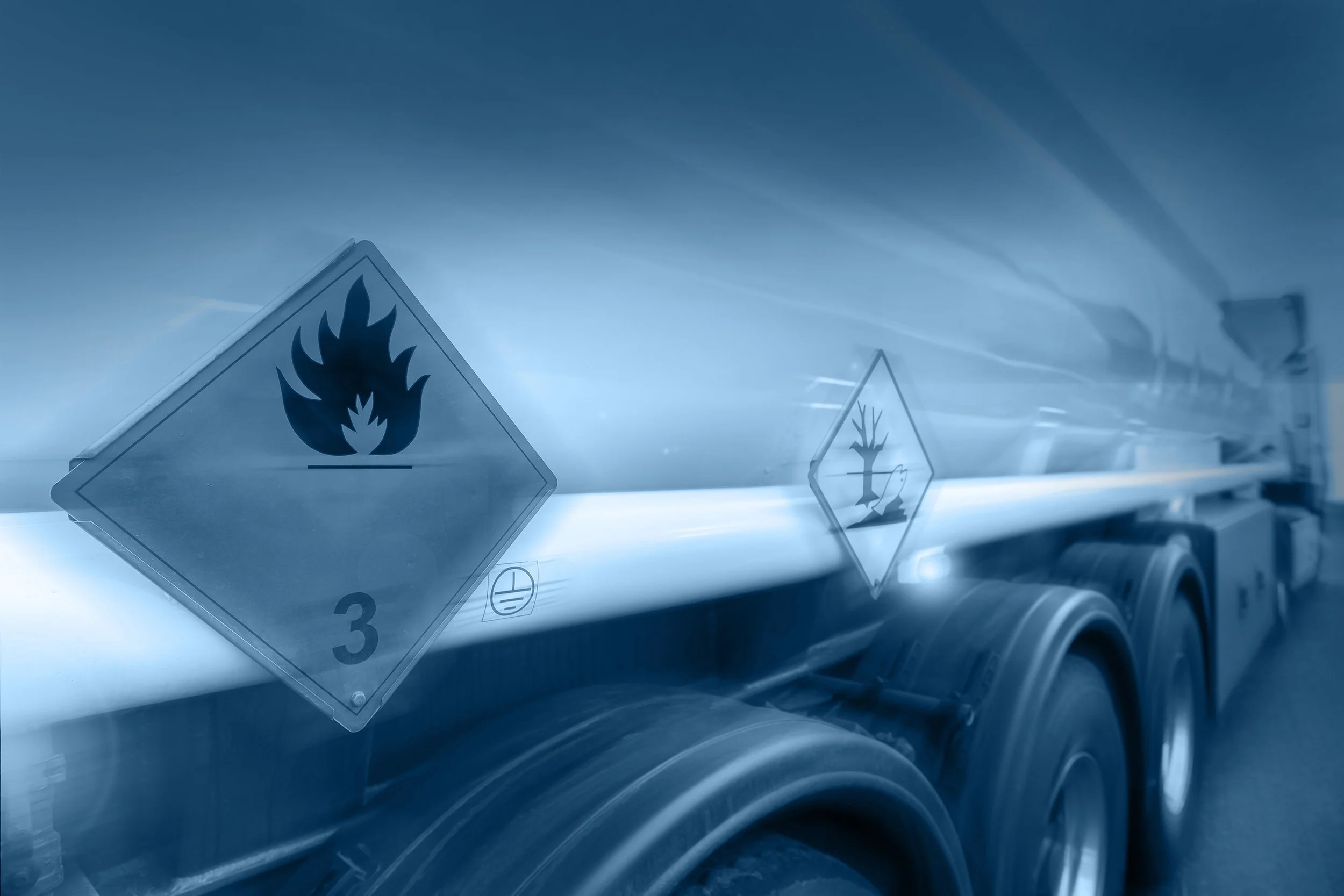
Transport of dangerous dry goods and chemicals
We coordinate DG cargo across ocean, air and road within a defined operational scope and with clear responsibilities at every handover.
Dangerous Goods
Dangerous goods scope and execution
LOGIX supports dangerous goods movements for industrial and petrochemical shippers that require compliance discipline, documented processes and predictable execution. We coordinate DG cargo across ocean, air and road within a defined operational scope and with clear responsibilities at every handover. The focus is correct classification inputs, compliant documentation and controlled interfaces with specialised partners.
What we transport
We support customers with regulated cargo across most ADR/IMO classes, reviewed case by case against the applicable regulations and site requirements. Typical flows include:
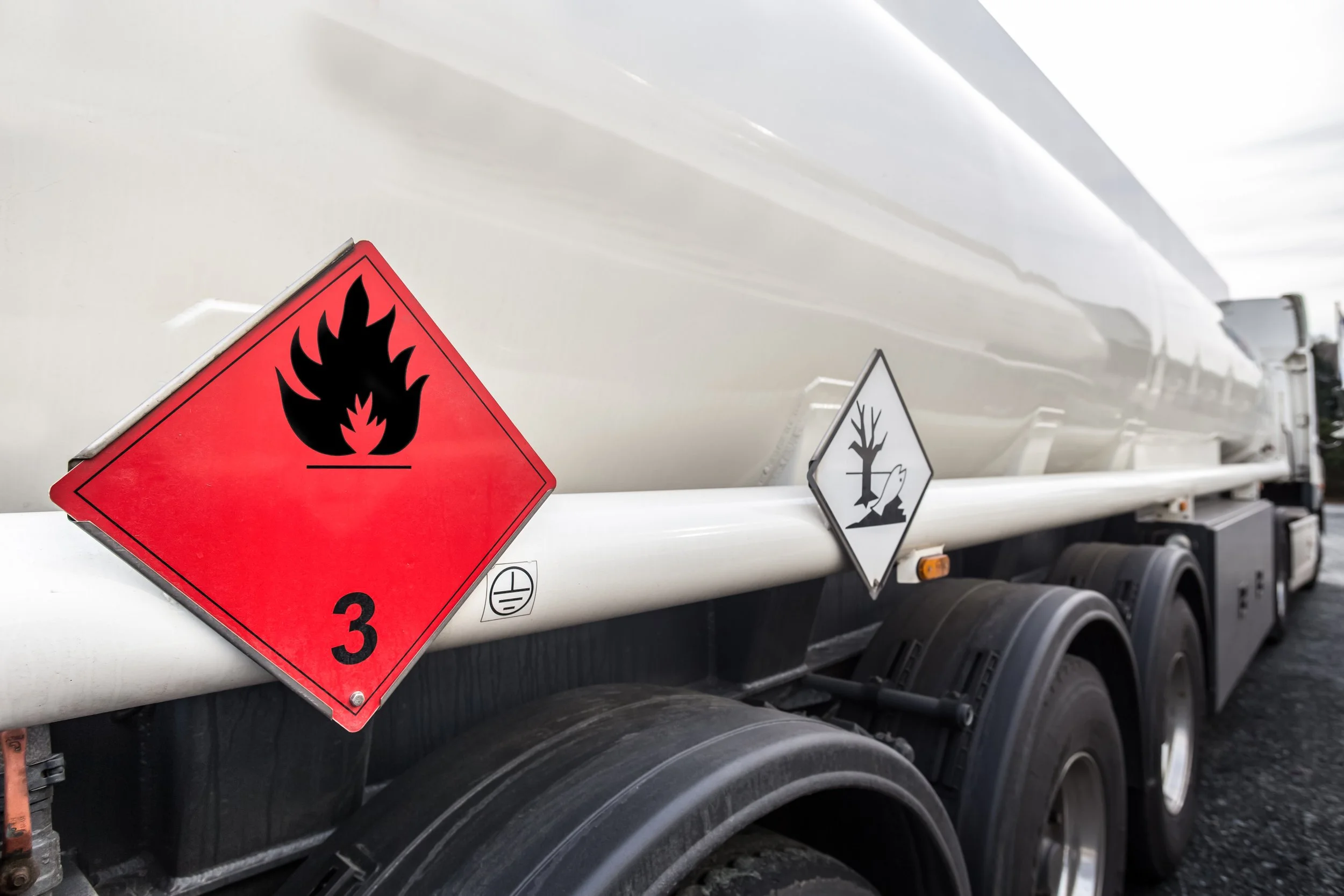
Flammable liquids — solvents, alcohols and hydrocarbons (Class 3) in ISO tanks, drums and IBCs
Gases — LNG, LPG, and cryogenic and compressed industrial gases in certified gas and cryogenic tanks (T50 / T75)
Corrosives and other regulated liquids — in bulk or packaged, with the correct equipment and certified handling
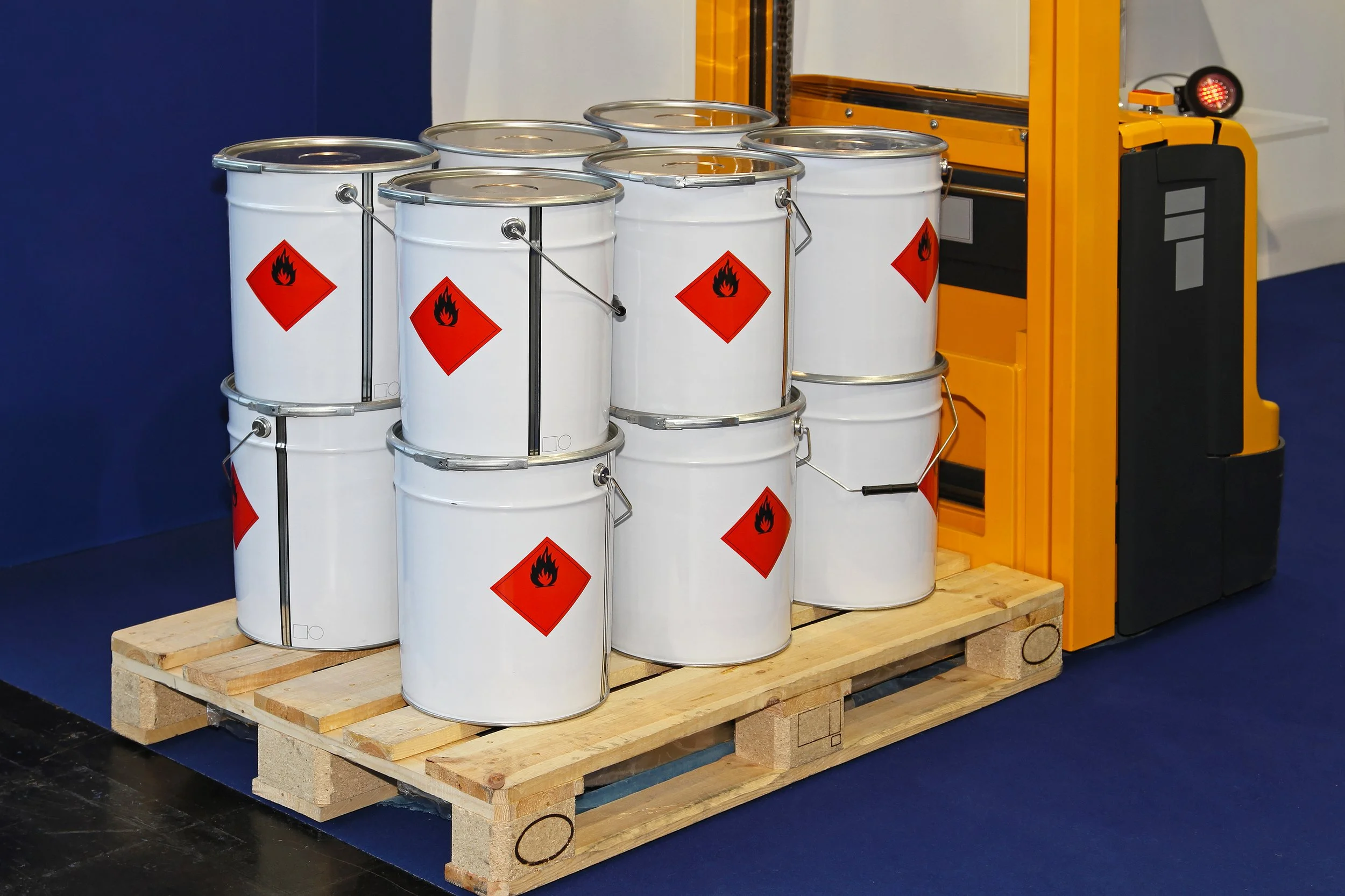
Packaged dangerous goods — drum and IBC movements within our bulk liquids scope
Every enquiry starts with the product data: UN number, class, packing group and SDS. Based on that, we confirm the right equipment, routing and documentation before anything moves.
The right equipment for the product
ISO tank containers — the workhorse for bulk chemicals, via qualified tank operators
Gas and cryogenic tanks (T50 / T75) — for LPG, LNG and cryogenic gases, via certified pressure-vessel operators
Drums and IBCs — for packaged and smaller-volume regulated cargo
ADR-compliant road equipment — for GCC and cross-border road transport
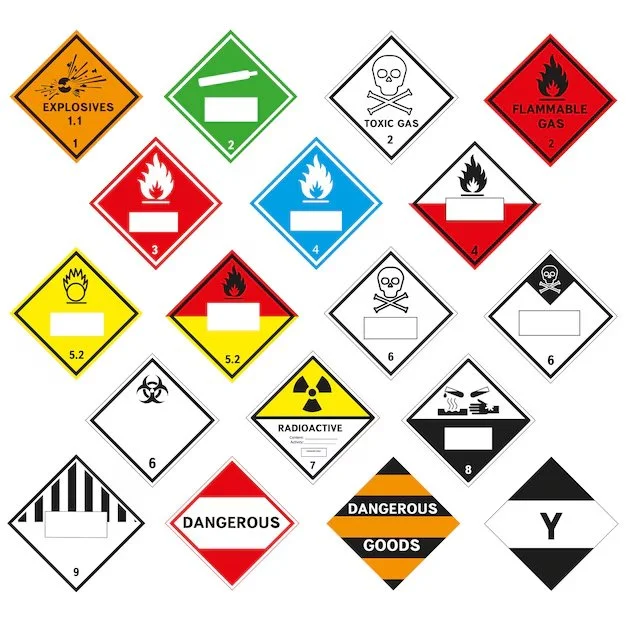
Modal coverage
DG requirements differ per modality. LOGIX coordinates mode-specific interfaces and documentation control while maintaining one operational file structure.
Ocean freight (DG) — Planning aligned to carrier acceptance rules (IMDG), cut-offs and port interfaces, with document checks and traceable file discipline.
Air freight (DG) — Time-critical execution aligned to airline acceptance requirements (IATA-DGR), screening and cut-offs, with clear escalation for exceptions.
Road transport (DG) — ADR-aligned execution where applicable, with documented handovers, appointment control and clear responsibilities at sites.

Compliance and documentation controls
DG performance depends on data quality and disciplined documentation. Controls typically include: verification of required DG data inputs and document completeness; consistent references across commercial and transport documentation; document readiness aligned to cut-offs, releases and appointments; traceable file history; and clear escalation when classification or documentation gaps create risk of delay or non-acceptance.
Partner network and governance
DG execution often relies on specialised carriers and service providers. LOGIX operates through a selected network aligned to the required service level and compliance expectations, with clear interfaces and documented handovers.
Track & Trace
TRACKDOQ provides milestone visibility and central document access for DG shipments, supporting traceable exceptions and audit-ready file history.
FAQ
-
We handle most ADR/IMO classes for petrochemical and industrial customers. Every product is reviewed case by case against the applicable regulations, the destination country's requirements and the capabilities of our certified partners. Share your UN number and SDS and we will confirm quickly.
-
The UN number, proper shipping name, class and packing group, plus the SDS, quantity, packaging type, origin and destination. With that, we can confirm equipment, routing, lead time and pricing.
-
Yes. Gas logistics is one of our specialisms. LNG, LPG and cryogenic or compressed industrial gases move in certified gas and cryogenic tanks (T50/T75), via qualified pressure-vessel operators, under controlled procedures.
-
Yes. We plan and coordinate cross-border road transport across the UAE, Saudi Arabia and the wider GCC, including ADR-classified cargo where applicable, covering border processes and customs documentation.
-
We support the full documentation chain: dangerous goods declarations, SDS management, customs paperwork and audit-ready shipment files, accessible at any time through the TRACKDOQ portal.
-
Yes. Depot interfaces — including cleaning and repair coordination for ISO tanks — are part of our standard scope, with controlled handovers between depot, carrier and site.
-
Absolutely. Regulated cargo moves across our GCC–Europe, GCC–India and GCC–Far East lanes, coordinated end-to-end with our Rotterdam headquarters and our Mumbai and Shanghai agencies.
Start with a dangerous goods scope review
Share your lane and DG profile and we will confirm feasibility, documentation requirements and operational setup.
Minimum input
Origin and destination, modality (ocean, air, road)
Product name and DG details (UN number, class, packing group, where applicable)
Packaging (IBC, drums, or other), quantity and weight
Required dates, cut-offs and site constraints
Incoterms and responsibility split
Any customer or site-specific compliance requirements