
Bulk logistics
Flexitank Solutions
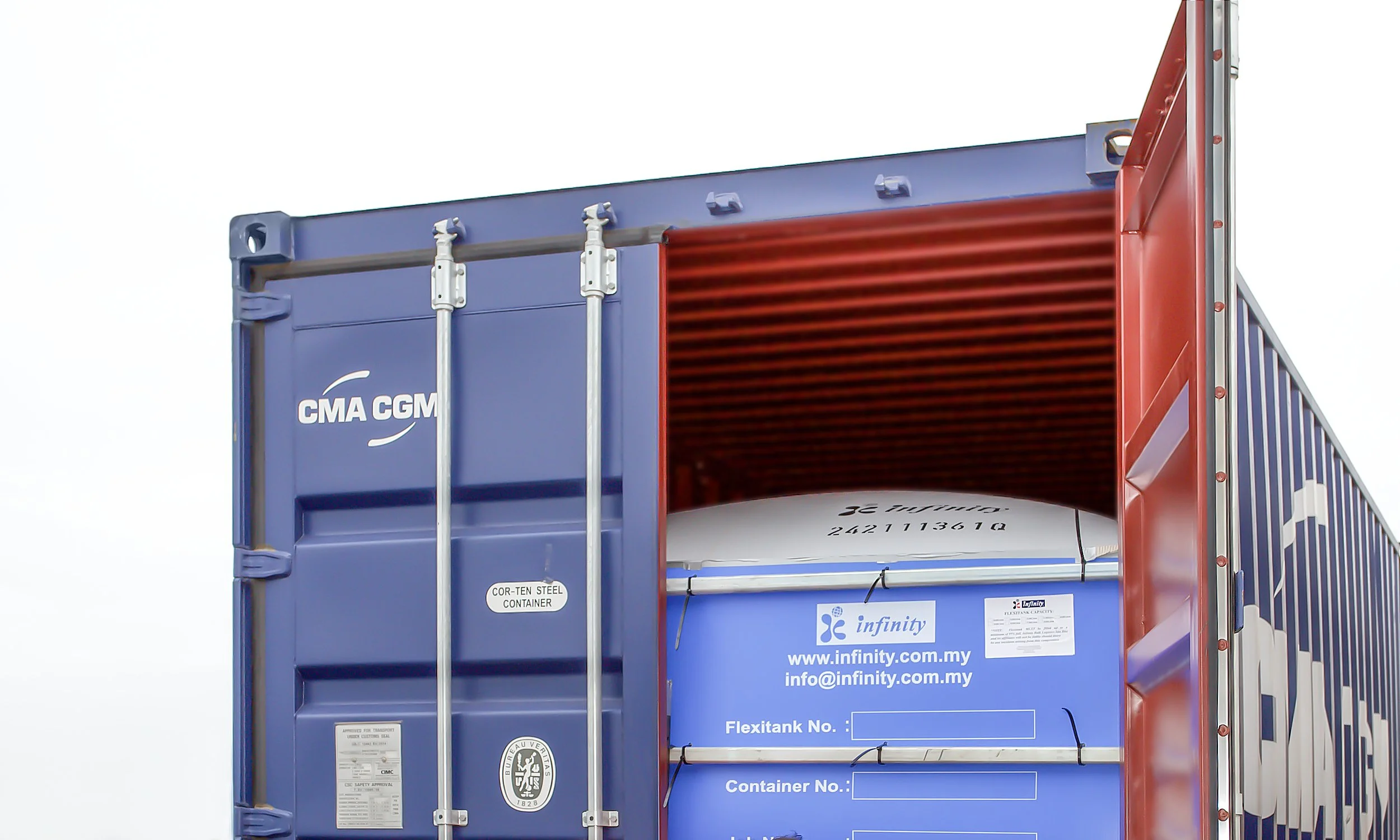
Flexitank transport solutions for non-hazardous bulk liquids in standard containers, coordinated with controlled execution, documented handovers and predictable planning.
Flexitanks transport solutions
Flexitank transport solutions for non-hazardous bulk liquids in standard containers, coordinated with controlled execution, documented handovers and predictable planning.
What we deliver
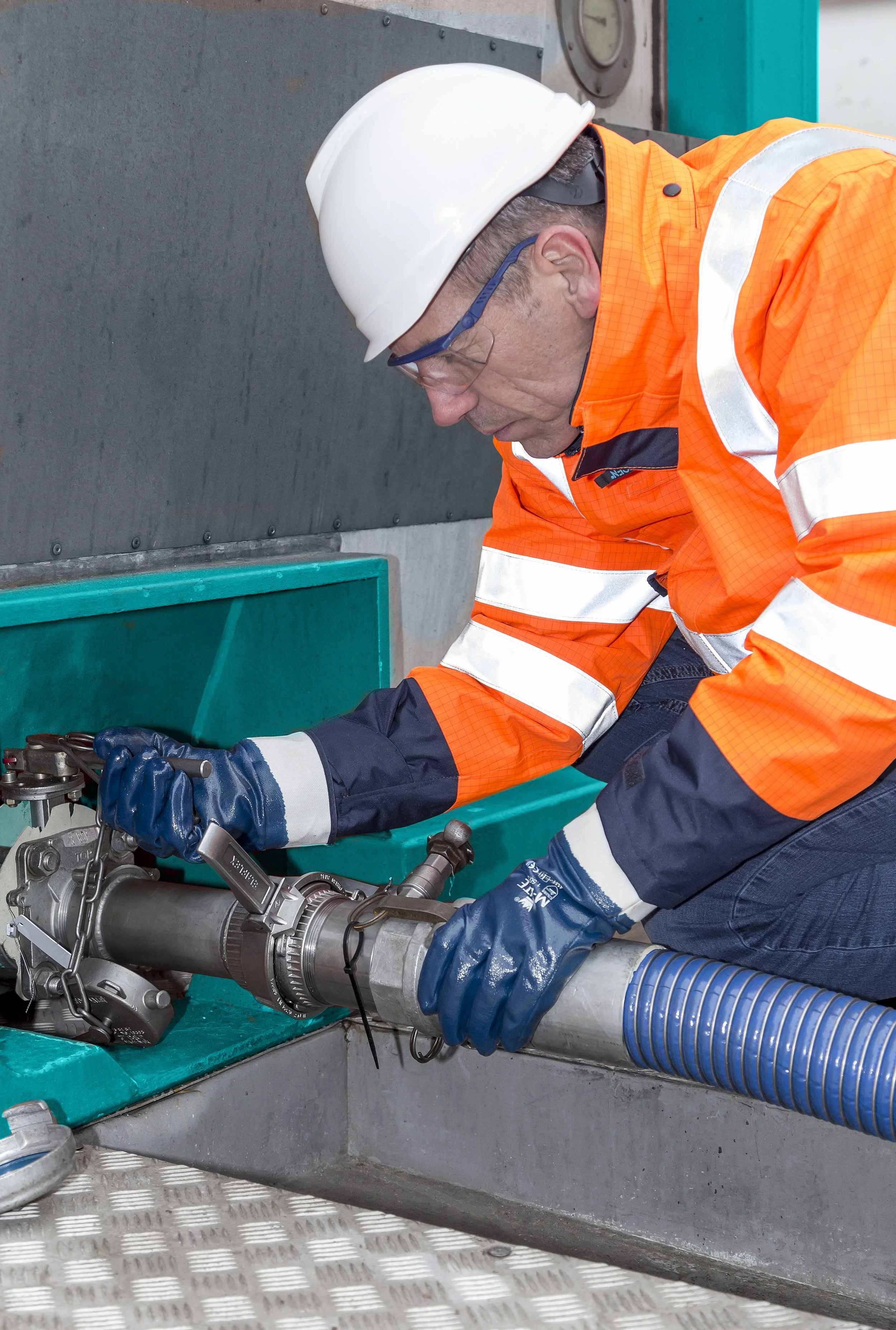
We coordinate flexitank shipments as part of your bulk liquids transport scope, including equipment planning, supplier interfaces, container positioning, loading and discharge coordination, and exception handling. The service can be aligned to door or port moves and integrated with ocean freight, road drayage, warehousing interfaces and cargo insurance where required.
Key capabilities
Flexitank supply and planning
Coordination of flexitank supply and fitment planning
Alignment of container availability and positioning
Planning against cut-offs, loading windows and delivery requirements
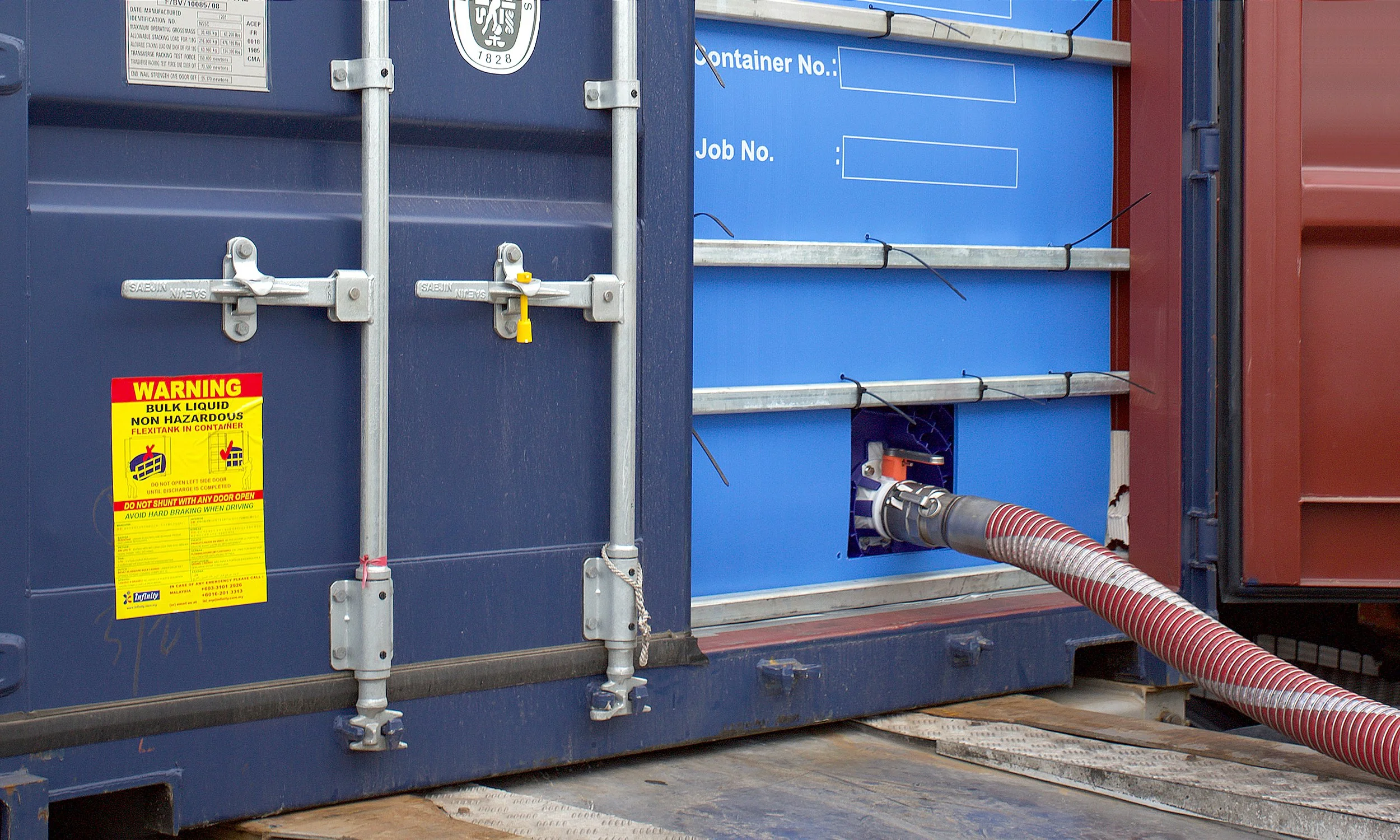
Loading and discharge coordination
Readiness checks for product, equipment and site requirements
Coordination of loading schedules and operational handovers
Discharge planning aligned to consignee and site constraints
Operating model
Our focus is operational control: confirmed readiness before loading, documented handovers, and milestone visibility across transport and handling steps.
Quality and operational controls
Alignment on product requirements and handling parameters
Documentation discipline for shipment instructions and operational records
Traceable escalation when requirements change or exceptions occur
Mode integration
Integration with ocean freight, port drayage and inland road moves where required
Coordination with terminals, depots and storage interfaces in scope
Planning to reduce dwell time and avoid missed cut-offs
Visibility and reporting
Milestone updates and exception alerts
Central document access and traceable file history
Reporting on request, aligned to agreed KPIs and cadence
Scope confirmation
Lane, locations, responsibilities, product constraints, milestones, documents and escalation.Equipment and readiness planning
Flexitank supply coordination, container planning, and readiness checks prior to loading.Execution
Loading, transport and discharge coordination with structured exception handling.Close-out
Document completion, reference reconciliation and file close.

Service scope
We execute within a defined scope and agreed operating rules for flexitank moves.
Common scope items:
Lane and locations (origin, port, destination)
Responsibilities for equipment supply and fitment
Loading and discharge appointment ownership
Interfaces with ocean and road legs
Reporting expectations and escalation thresholds
Cargo profile and suitability
Flexitanks are typically used for non-hazardous bulk liquids, subject to product and operational suitability.
Typical alignment items:
Product characteristics and handling constraints
Packaging and temperature considerations (if applicable)
Site requirements and acceptance rules
Required documentation and references
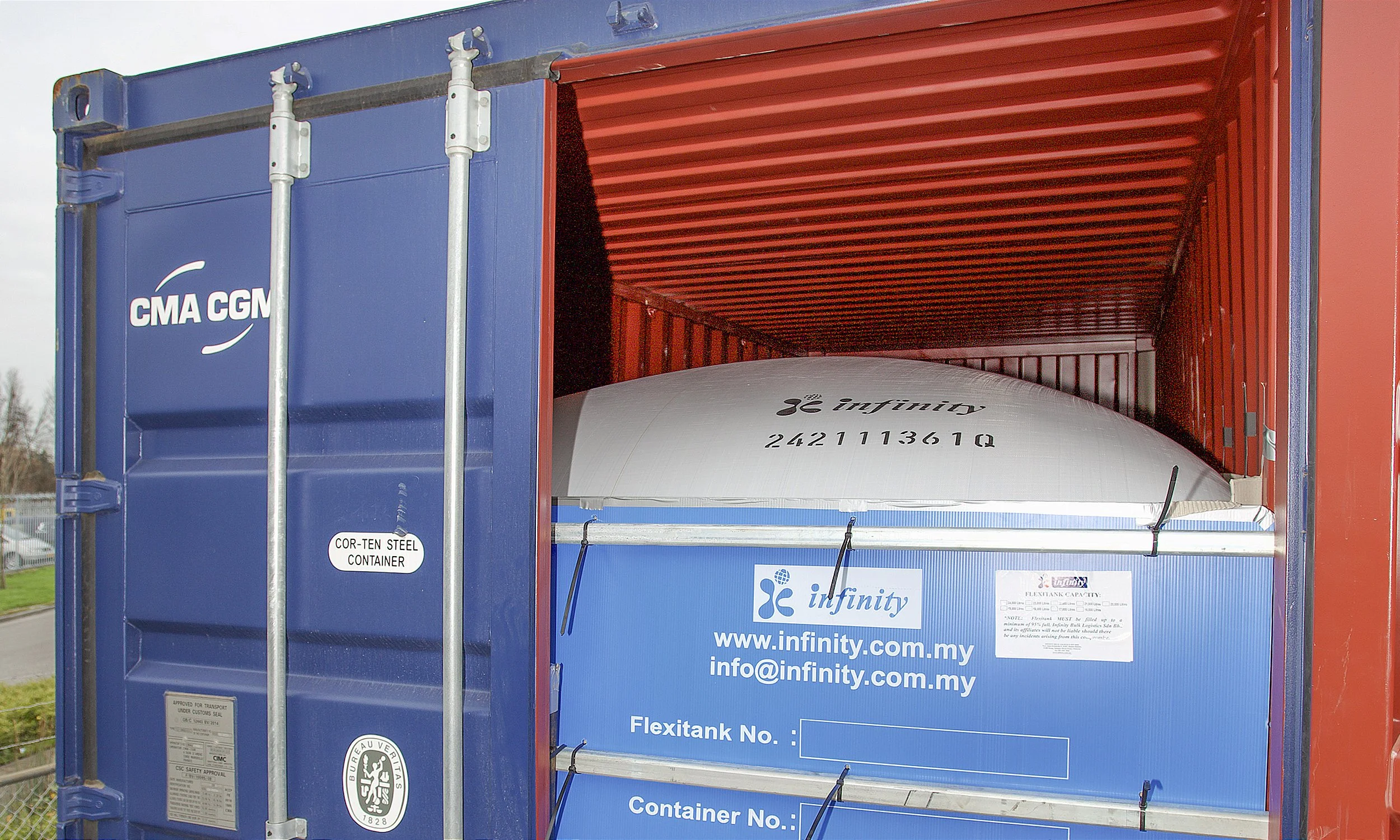
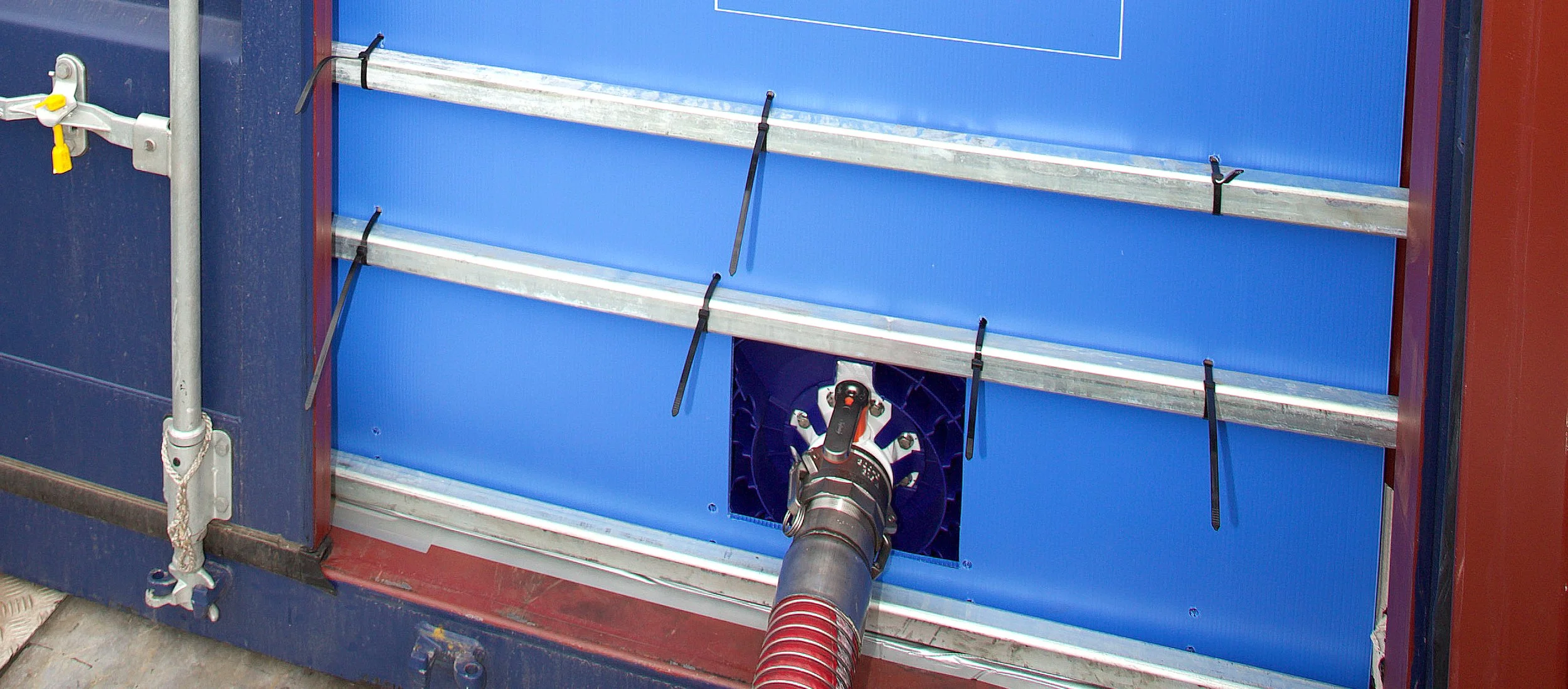
Operational controls at loading
Operational performance depends on readiness and disciplined loading procedures.
Controls include:
Container condition and readiness confirmation
Fitment and loading schedule coordination
Documentation readiness aligned to the shipment plan
Traceable escalation on deviations
Route planning and execution control
We align routing and milestones to reduce dwell time and avoid missed cut-offs.
Included:
Cut-off planning and schedule alignment
Port and terminal interface coordination
Exception handling with documented options and impact

Track & Trace
TRACKDOG Customer Portal for milestones, exceptions and documents.
TRACKDOG Customer Portal for milestones, exceptions and documents.
TRACKDOG supports milestone visibility and central document access for flexitank moves, enabling traceable exception handling across stakeholders.
Learn more:
Request a quote or feasibility review
Share your product and lane requirements. We will confirm suitability, operational setup and documentation needs.
Minimum input:
Lane and locations (loading and discharge sites)
Product description and any handling constraints
Volume per shipment and frequency
Required lead time and delivery expectations
Interfaces in scope (ocean, road, storage)
Target start date and operational contacts